When you wonder whether a private island or a waterfront villa is the better purchase, the short answer is that a villa generally wins on day-to-day convenience and marketability, whereas an island excels in privacy and the ability to shape the entire environment.
In practice this means the villa will usually be ready to live in quickly, will have easier access to public services and can be sold more swiftly, while an island often requires substantial infrastructure work and a longer holding period before a buyer appears.
Lifestyle and Daily Convenience
A waterfront villa sits within an established community. Schools, hospitals, shops and transport links are typically a short drive away, and municipal utilities such as electricity, water and broadband are already in place. Emergency services can reach the property without special arrangements. By contrast, a private island rarely benefits from any of these connections. You will need to provide your own power generation, water desalination or rain-water collection, and arrange private transport – usually a boat or a helipad. The convenience factor therefore leans heavily toward the villa for anyone who prefers a low-maintenance lifestyle.
Exclusivity and Control
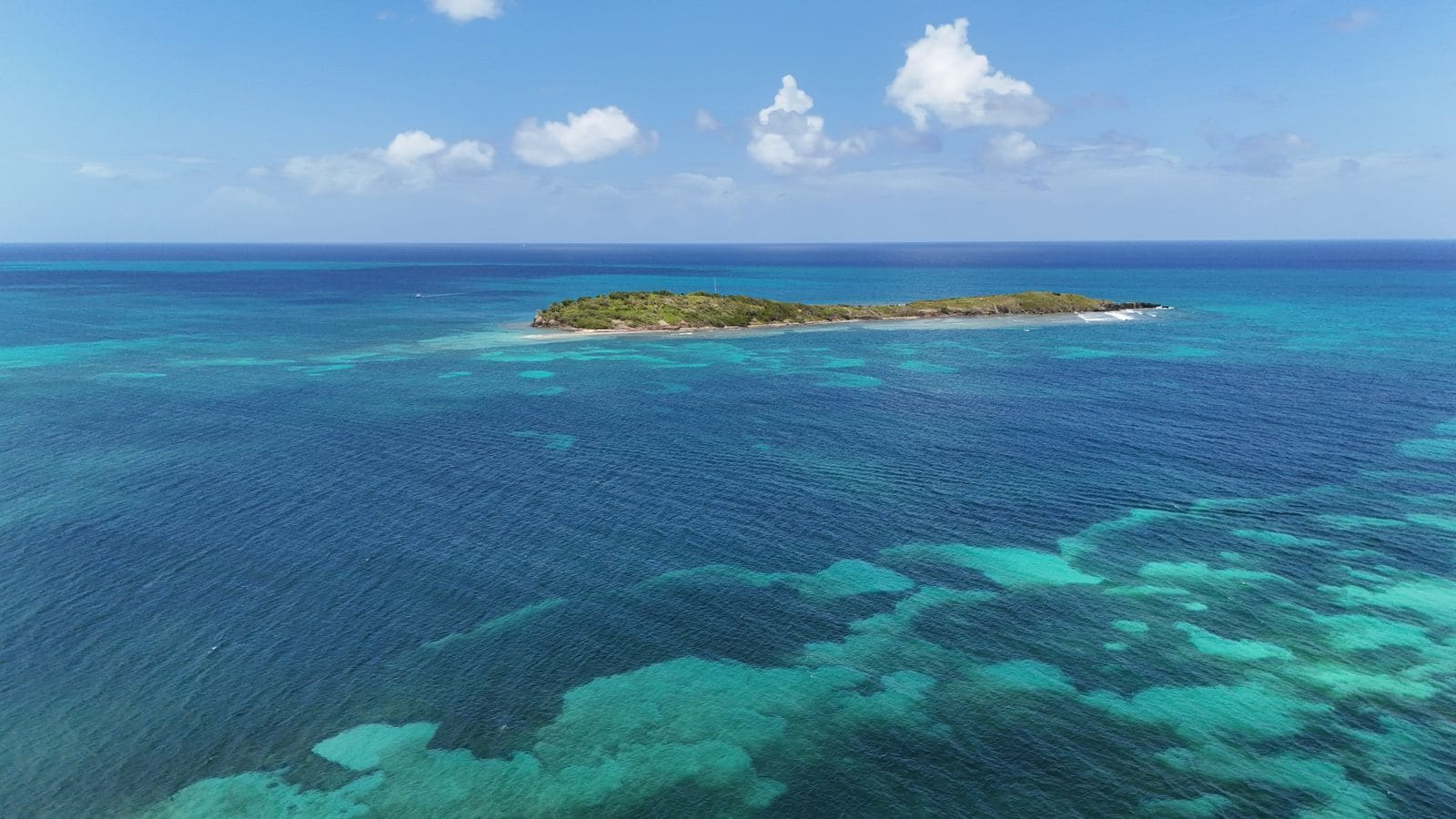
Owning a private island gives you control over the whole landmass, including the foreshore, beaches and any natural features. You decide on building designs, land use and can restrict access to surrounding waters. A waterfront villa, even on a prime coastline, remains part of a broader neighbourhood with shared roads, neighbour covenants and public beach access. If absolute privacy and the freedom to shape the environment are your primary goals, the island offers a level of exclusivity that a villa cannot match.
Resale Liquidity and Market Reach
Waterfront villas benefit from a relatively deep market. Comparable properties are regularly listed, and agents can benchmark against recent sales, giving you a clearer sense of value. The resale process often completes within months, especially in well-known coastal towns. Private islands occupy a niche market. Potential buyers are fewer, and transactions can take years, with price negotiations heavily influenced by location, size and the degree of development already in place. Consequently, a villa generally provides better liquidity.
Cost Structure, Ongoing Expenses and Typical Buyer Profile
Both options involve substantial costs, but the composition differs. A villa’s purchase price is comparable to a mid-range city home, with predictable taxes, insurance and, where applicable, homeowners’ association fees. Ongoing expenses include utilities and routine maintenance. An island’s price varies widely – from undeveloped parcels to fully equipped resorts – and you must budget for infrastructure such as generators, water treatment, dock construction and security. These costs are less predictable and must be verified with local engineers and surveyors.
| Aspect | Private Island | Waterfront Villa |
|---|---|---|
| Access to public services | Self-provided (power, water, internet) | Municipal connections available |
| Privacy level | Full control of land and sea area | Shared community spaces |
| Market depth | Limited buyer pool, longer sale cycles | Active market, quicker turnover |
| Infrastructure needs | Significant (dock, power, water) | Minimal, often existing |
| Typical buyer profile | Visionary investors, privacy seekers, developers | Families, retirees, frequent travellers |
What to Do Next
- List your priorities – rank convenience, privacy and resale speed.
- Engage a local property lawyer to confirm ownership structures and any land-use restrictions.
- Obtain a feasibility study for an island, covering infrastructure costs and environmental permits.
- Speak to a reputable agent who specialises in waterfront villas to gauge market activity.
- Compare the total cost of ownership, not just the purchase price, before deciding.
Legal Due Diligence: Title and Zoning
When you consider a private island, verify that the title is free of undisclosed liens or historic claims. Islands can be subject to overlapping sovereign claims, especially in archipelagos with ambiguous boundaries. Request a full chain-of-title report from a local solicitor and cross-check it against the national land registry.
For waterfront villas, the focus shifts to zoning restrictions. Some coastal municipalities limit the height of structures, the footprint of decks, or even the type of façade permitted to preserve the visual character of the shoreline. Ask the planner or a local lawyer whether the property is classified as “residential”, “tourist”, or “conservation” land, as each category carries different building permissions.
Environmental and Access Checks
A private island often lacks existing utilities. Confirm the feasibility of fresh-water supply—whether by rainwater harvesting, bore-hole drilling, or desalination—and assess the cost of installing solar or diesel generators. Also, investigate any protected species or marine habitats that could restrict development.
For a beachfront house, inspect the erosion history of the site. Ask a coastal engineer about the rate of shoreline retreat and whether a sea-wall or set-back is required. Verify that the access road is public or that a legal easement exists; otherwise you may be forced to negotiate a private right-of-way with neighbours.
Cost Drivers Beyond the Purchase Price
On an island, the biggest hidden expense is logistics. Transporting building materials, fuel, and labour by boat or helicopter adds a premium that can dwarf the acquisition cost. Obtain a detailed logistics quote before committing.
In a waterfront villa, the primary extra cost is often the ongoing maintenance of sea-exposed fittings—metalwork, windows, and decking. Ask the seller for recent maintenance invoices and factor in the expected replacement cycle for these items.
Quick Checklist Before Signing
- Title search and confirmation of sovereign jurisdiction.
- Zoning classification and permitted uses.
- Utility feasibility study (water, power, waste).
- Environmental impact assessment and protected species check.
- Access rights: road, dock, or airstrip easements.
- Logistics plan and cost estimate for construction or renovation.
- Maintenance history of sea-exposed components.
Use this list to guide conversations with your solicitor, surveyor, and marine engineer. It will help you avoid the most common pitfalls when choosing between a private island and a waterfront villa.
Frequently asked questions
Which option offers faster occupancy?
A waterfront villa can usually be occupied almost immediately after purchase, whereas an island often requires months of infrastructure work before it is habitable.
Do islands require special permits for building?
Yes. Any construction on a private island typically needs permits from the jurisdiction’s land-registry or environmental authority, and the process varies widely.
How does resale speed differ between the two?
Villas tend to sell within a few months in active coastal markets; islands may take years because the buyer pool is much smaller.
What kind of buyer is best suited to a private island?
Buyers who value long-term privacy, are comfortable managing complex logistics and see the purchase as a legacy or development project are the most suitable.
This article is general information, not legal, tax or financial advice. Island ownership, taxation and planning rules differ by jurisdiction, so verify every point with a qualified local lawyer, notary, surveyor or tax adviser before you commit.