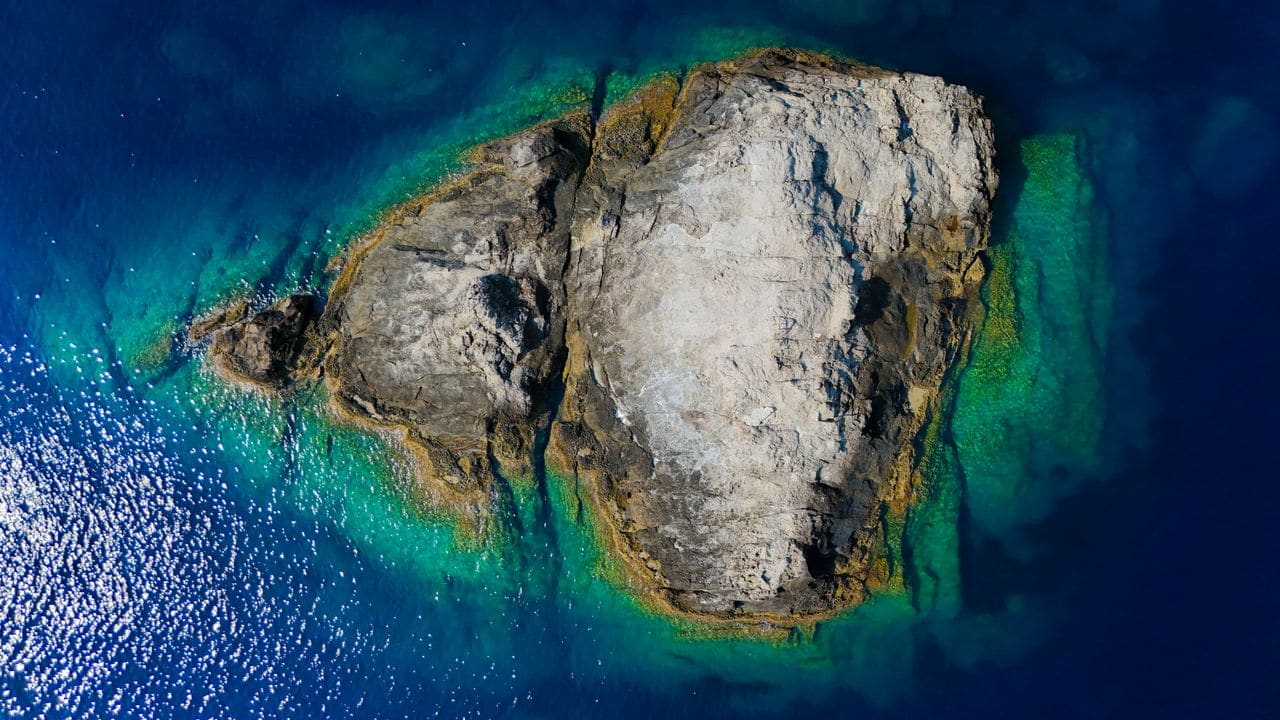
When you buy or already own a private island, the first question is often whether you can start building immediately. In most jurisdictions you cannot; you will need planning permission and, depending on the project, additional permits. The requirement applies even if the land is freehold, because local authorities protect coastlines, habitats and public rights.
The practical impact is that any development timeline must include time for applications, public consultations and possible environmental impact assessments. Costs can increase if specialist surveys or mitigation measures are required, and failure to obtain consent can result in fines, forced demolition or loss of the investment.
Understanding the core planning framework
Planning permission is the formal consent from the relevant land-use authority to change the use or appearance of land. On an island this usually involves the national or regional planning department, often in partnership with a coastal or marine agency. The application must detail the proposed works, site layout, access routes and how the project complies with zoning, height limits and land-use designations. If the island lies within a protected area – such as a marine park, UNESCO site or national reserve – additional layers of consent are required.
Island building permits and environmental safeguards
Beyond the basic planning consent, most projects need specific building permits. These cover structural safety, utilities and waste management. In coastal zones, a separate permit may be required for works that affect the foreshore or seabed, such as docks, seawalls or dredging. Environmental safeguards often demand an Environmental Impact Assessment (EIA) that analyses effects on flora, fauna and water quality. The EIA must be reviewed by the environmental authority, and mitigation plans – for example, erosion control or habitat restoration – may be mandated before any ground is broken.
Private island planning rules vary by jurisdiction
Each country, and sometimes each region within a country, has its own set of private island planning rules. In some Caribbean states, the planning authority treats an island as a single land-use parcel, but still requires a detailed site plan and proof that the development will not interfere with public navigation rights. In parts of the Pacific, customary land rights add another layer: consent from local communities or traditional owners may be a legal prerequisite. Because the rules differ, the same type of resort or villa may need a very different set of approvals in two neighbouring islands.
The role of marine and coastal protection statutes
Marine protection statutes typically regulate any activity that alters the marine environment. This includes constructing jetties, laying submarine cables or installing offshore renewable energy devices. Coastal protection laws often restrict the height of structures near the shoreline, the type of materials that can be used, and the extent of land reclamation. Failure to respect these statutes can trigger enforcement actions that halt construction and impose penalties that vary widely and must be verified with local counsel.
Comparison of typical consent requirements
| Development type | Core planning permission | Building permit | Foreshore/Marine permit | Environmental Impact Assessment |
|---|---|---|---|---|
| Small eco-cabin (≤2 units) | Usually required | Required for structural safety | May be waived if no shoreline alteration | Often required if within protected zone |
| Luxury resort (multiple buildings, pool, jetty) | Mandatory | Mandatory for each structure | Mandatory for jetty and any seabed work | Mandatory, detailed study |
| Renewable energy installation (solar farm, wind turbine) | Required if altering land use | Required for electrical works | Required for offshore foundations | Required if impacts marine habitats |
The table shows that larger, more intrusive projects invariably need a broader set of consents. Smaller, low-impact structures may still need a basic planning application, but some permits can be simplified if the design respects existing natural features.
What to do next
- Identify the competent planning authority for the island’s jurisdiction – often a national ministry of environment or a regional planning office.
- Engage a local architect or planning consultant who understands the specific private island planning rules and can prepare the necessary drawings and reports.
- Commission any required surveys early – topographic, marine, ecological – so that the application package is complete.
- Submit the planning application and be prepared for a public consultation period, which can add weeks or months to the schedule.
- Track the progress of each permit and be ready to adjust designs to meet conditions imposed by the authorities.
Frequently asked questions
Do I need planning permission if I only want a temporary structure?
Even temporary structures often require a short-term planning consent, especially if they affect the shoreline or involve utilities. The authority will assess the duration and impact before granting a temporary permit.
Can I bypass the planning process by building offshore?
Offshore works such as floating platforms still fall under marine and coastal statutes, and most jurisdictions require a separate marine licence. Ignoring the process can lead to enforcement actions.
How long does the consent process usually take?
The timeline varies widely – a simple cabin may be approved within a few weeks, while a large resort can take several months to over a year, depending on the complexity of the environmental assessment and any public objections.
Are there any exemptions for islands that are already privately owned?
Ownership does not confer exemption. Planning law applies to the land itself, not the owner’s status. Some jurisdictions may have streamlined procedures for existing owners, but consent is still mandatory for new development.
This article is general information, not legal, tax or financial advice. Island ownership, taxation and planning rules differ by jurisdiction, so verify every point with a qualified local lawyer, notary, surveyor or tax adviser before you commit.