When you first consider buying a private island, the most practical question is how you will actually get there. The answer depends on the size of the island, the distance from the mainland, local weather patterns and the type of infrastructure you are prepared to develop.
Choosing a transport method shapes the whole project budget, the timeline for construction and the ongoing cost of supplying the island. A mis-matched choice can lead to frequent delays, higher operating expenses and even safety concerns.
Boat access – the traditional route
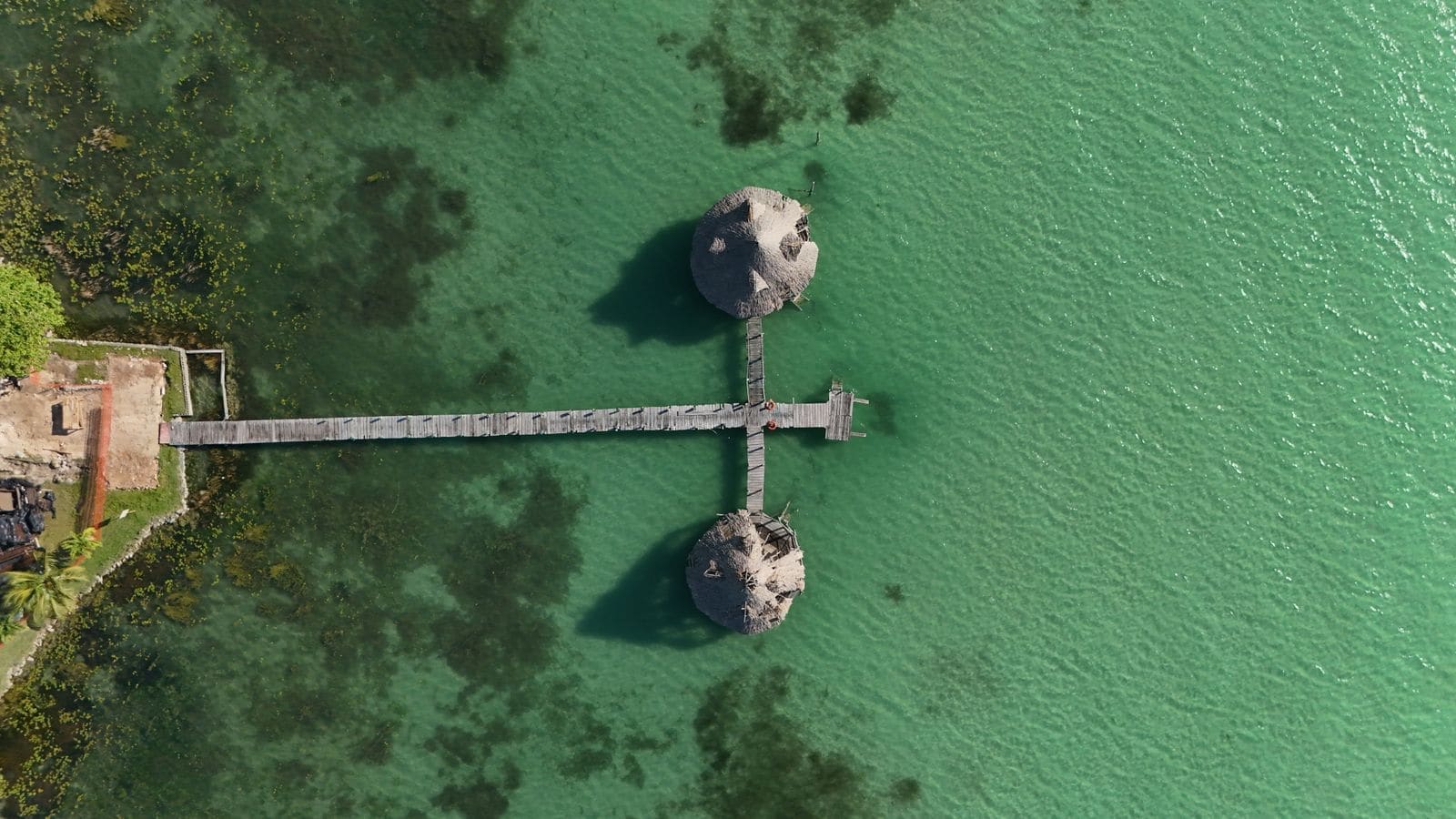
Boats are the oldest and most flexible way to reach an island. A well-designed dock or jetty can accommodate a range of vessels from small motorboats to midsize ferries. The main variables are water depth, tidal range and exposure to prevailing winds. Shallow reefs or a steep shoreline may require dredging or a floating pontoon, both of which add to the capital outlay.
The infrastructure needed for boat access includes:
- A durable dock built from treated timber, steel or concrete, sized to the largest vessel you expect.
- Mooring cleats, bollards and fender systems to protect the hull.
- A slipway or ramp if you plan to launch smaller craft from the island itself.
- Utilities such as water, power and waste connections that run from the dock to the main building.
Weather is a critical factor. In regions with strong seasonal storms, you may need a reinforced dock and a reliable sea-state monitoring system. Rough seas can also limit the size of boat that can safely land, meaning you might need to schedule deliveries during calmer periods.
Seaplane access – speed with water landing
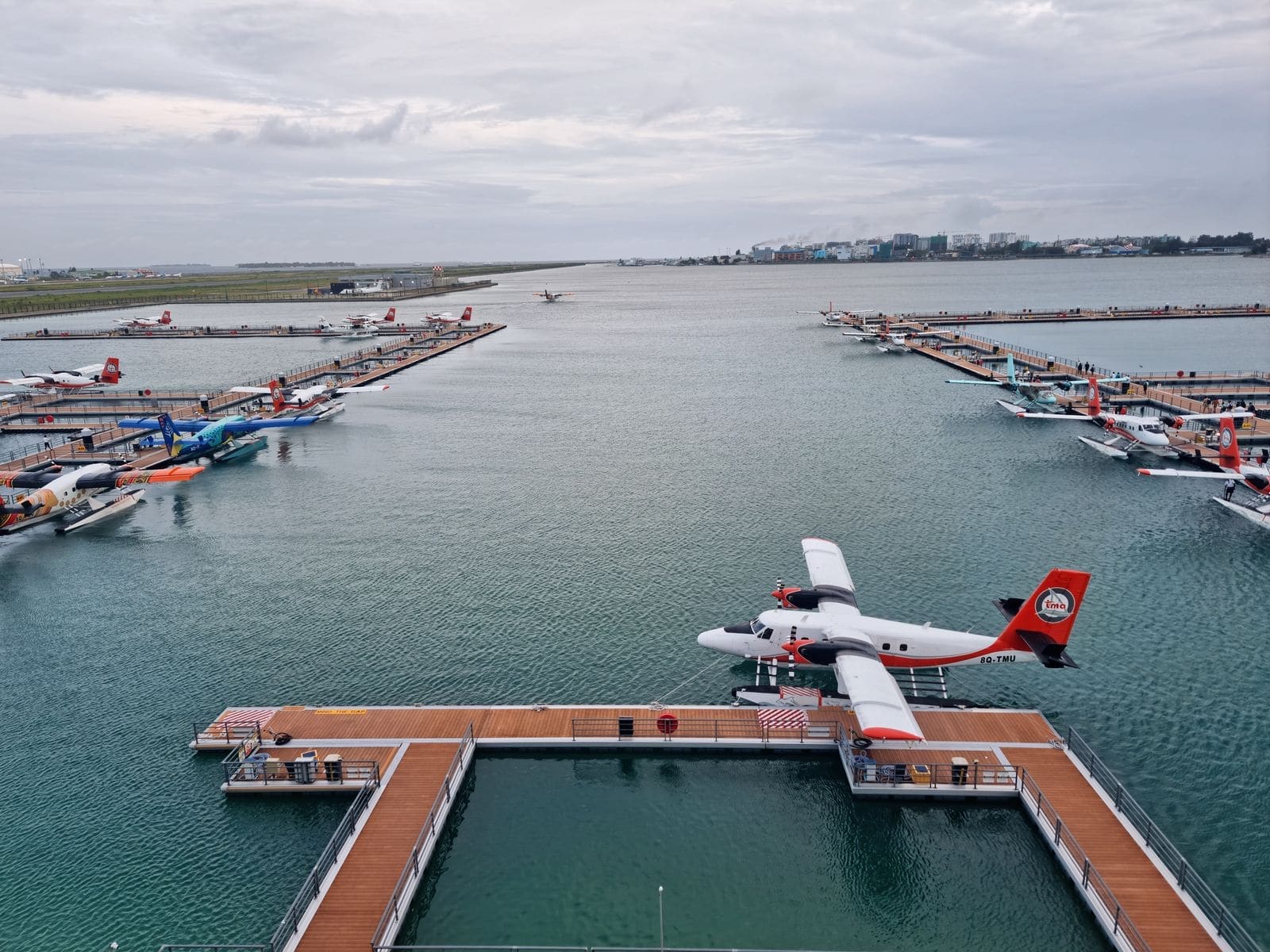
Seaplanes offer a fast, direct link for islands without a hard-surface runway. They land on a calm stretch of water, usually a lagoon or sheltered bay, and can operate where conventional airports are impractical. The key requirement is a clear water runway of sufficient length – typically at least 800 metres for medium-size aircraft – and minimal underwater obstacles.
Infrastructure for seaplane operations includes:
- A marked water landing area with buoys or floating markers.
- A small terminal or shelter on the shore for passenger handling and luggage.
- Fuel storage that complies with aviation safety standards.
- A dock or ramp to transfer passengers and cargo from the hull to the shore.
Seaplane schedules are highly weather-dependent. Heavy rain, strong cross-winds or high waves can ground flights for hours or days. Pilots also require clear visual references, so islands with dense mangroves or high cliffs may be unsuitable without additional clearing.
Helicopter access – vertical freedom
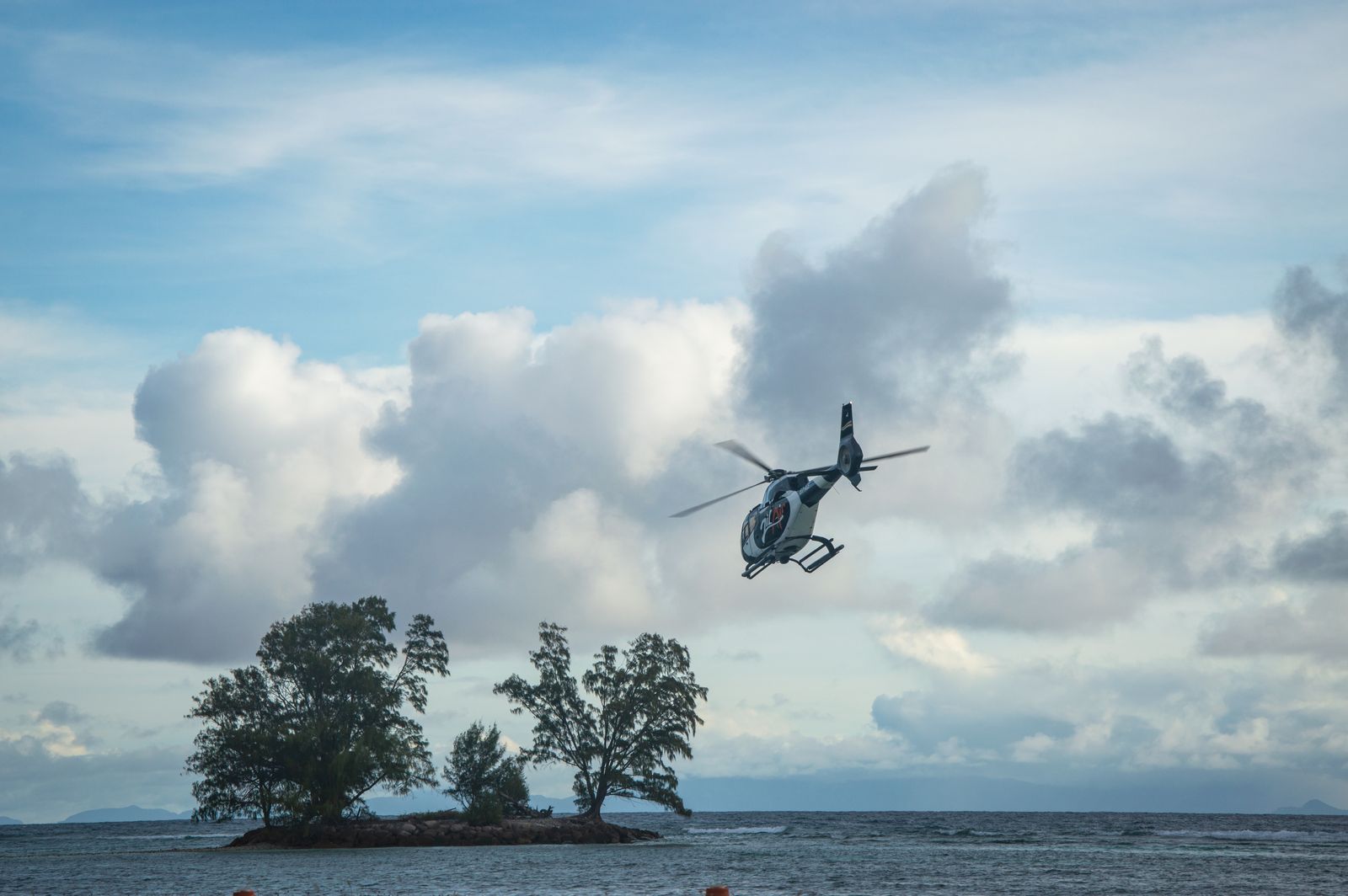
Helicopters remove the need for water altogether, landing on a flat, unobstructed pad. This mode is ideal for islands where space is limited or where a water runway is unsafe. The main limitation is payload: most medium-size helicopters carry between 1,000 and 2,000 kg, which restricts the volume of supplies per flight.
Required infrastructure includes:
- A reinforced helipad meeting civil aviation standards (typically 15 × 15 m for a single rotor).
- Clear approach and departure paths free of trees, cliffs or power lines.
- Aviation-grade fuel storage and fire-suppression equipment.
- A small terminal building for passenger processing and cargo handling.
Helicopter operations are also weather-sensitive. Visibility below a certain threshold, high winds or severe turbulence will halt flights. In tropical regions, sudden squalls can be frequent, so a backup plan – usually a boat – is advisable.
Full airstrip – the most autonomous solution
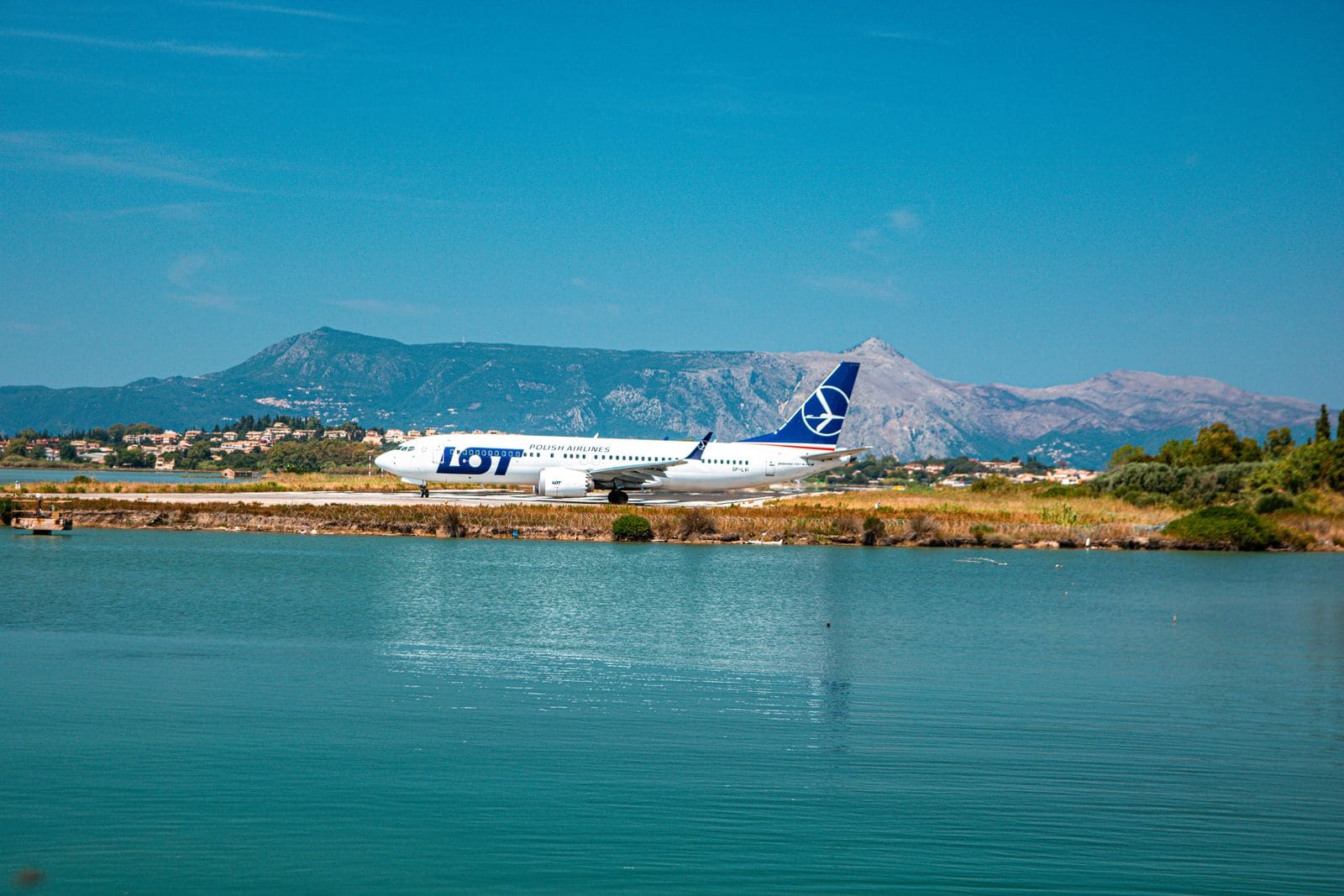
Building a land-based runway gives you the greatest flexibility, allowing small to medium fixed-wing aircraft to land. This eliminates dependence on sea conditions and often reduces travel time compared with boats. However, runway construction is capital-intensive and requires a relatively flat, stable terrain of at least 800-1,200 m for light aircraft. Soil composition, drainage and environmental impact must all be studied.
Airstrip infrastructure comprises:
- A paved runway with appropriate load-bearing capacity.
- Taxiways and a small apron for aircraft parking.
- A terminal building with customs, security and passenger amenities.
- Fuel storage, lighting and navigation aids if night operations are planned.
Because a runway occupies a significant portion of the island’s land, you need to balance it against other uses such as housing, recreation or conservation. Moreover, many jurisdictions require a formal aviation licence and regular inspections, adding ongoing compliance costs.
Comparing the four access options
| Mode | Typical payload per trip | Infrastructure cost | Weather sensitivity | Ideal island size |
|---|---|---|---|---|
| Boat | Up to 30 000 kg (depending on vessel) | Dock, moorings, slipway – moderate | Moderate – tides, storms | Any size with suitable shoreline |
| Seaplane | 1 000-2 000 kg | Water runway markers, shore terminal – low to moderate | High – waves, wind, visibility | Small to medium, calm water area |
| Helicopter | 1 000-2 000 kg | Helipad, fuel, fire safety – low | High – wind, visibility | Very small to medium, flat area |
| Airstrip | 2 000-5 000 kg (light aircraft) | Full runway, taxiways, terminal – high | Moderate – wind, visibility | Medium to large, flat terrain |
The table highlights that no single option dominates; the best choice is a function of payload needs, budget and the island’s natural characteristics.
Supplying a remote island – logistics beyond the first arrival
Once you have a primary access method, you must plan regular resupply. Boats excel at bulk cargo such as building materials, fuel drums and fresh water tanks. Seaplanes and helicopters are better suited for high-value, time-critical items – medical supplies, perishable food or specialised equipment.
Key considerations for ongoing logistics include:
- Storage capacity on the island. You will need sheltered warehouses, cold-storage units and safe fuel tanks.
- Customs and import regulations of the jurisdiction. Some islands fall under special economic zones that simplify paperwork, while others require full customs clearance for every shipment.
- Seasonal weather windows. In many tropical locations the rainy season can restrict boat movements for weeks, making air delivery essential during those periods.
- Redundancy. Relying on a single mode can be risky; many owners maintain both a dock and a helipad to ensure access when one method is unavailable.
Environmental and regulatory constraints
Access infrastructure often triggers environmental assessments. Docks can disturb coral reefs, while runway construction may require clearing native vegetation. Local authorities may impose limits on the size of vessels, the number of flights per day, or noise levels.
Before committing, you should:
- Consult the national land-registry or marine authority to confirm ownership of the foreshore and any concession rights.
- Engage an environmental consultant to assess impact on marine habitats and terrestrial ecosystems.
- Obtain the necessary permits – a maritime licence for docks, an aviation permit for helipads or airstrips, and possibly a coastal development concession.
Failure to secure these approvals can halt construction, result in fines, or even require removal of existing structures.
Cost categories you will need to budget for
| Category | Typical range (varies by jurisdiction) | What influences the cost |
|---|---|---|
| Survey & design | Variable – depends on terrain and regulatory complexity | Topography, soil tests, marine surveys |
| Construction | Variable – dock materials, runway length, helipad standards | Material choice, labour rates, access difficulty |
| Permitting | Variable – fees, environmental studies, legal counsel | Local authority fees, required impact assessments |
| Ongoing operations | Variable – fuel, maintenance, staffing | Frequency of trips, vessel or aircraft type |
All figures should be verified with local professionals because costs can differ dramatically between Caribbean, Pacific and Mediterranean jurisdictions.
Step-by-step planning checklist
- Define your access priorities – payload size, frequency of visits, budget ceiling.
- Map the island’s natural features – shoreline slope, water depth, prevailing winds, flat land availability.
- Select the primary mode – boat, seaplane, helicopter or runway based on step 1 and 2.
- Commission feasibility studies – marine survey for docks, aeronautical assessment for airstrip or helipad.
- Engage local authorities – apply for permits, confirm foreshore ownership and aviation licences.
- Develop detailed designs – engineering drawings, environmental mitigation plans.
- Obtain quotations and schedule construction – compare contractors, set realistic timelines accounting for weather windows.
- Plan ongoing logistics – storage facilities, fuel supply contracts, redundancy options.
- Implement monitoring – regular inspections of dock wear, runway surface condition and helipad safety equipment.
Following this checklist helps avoid costly redesigns and ensures that the access solution remains viable over the long term.
Common mistakes to avoid
- Under-estimating weather impact – assuming a calm sea year-round leads to frequent cancellations and stranded supplies.
- Choosing the cheapest infrastructure without future scalability – a small dock may suffice initially but cannot accommodate larger vessels if the island’s use expands.
- Ignoring regulatory timelines – permits can take months; starting construction before they are granted can result in work being halted.
- Failing to plan redundancy – relying on a single access method makes the island vulnerable to sudden weather changes or mechanical failures.
- Neglecting environmental obligations – damage to coral reefs or protected habitats can incur heavy penalties and reputational damage.
Frequently asked questions
What is the minimum water depth required for a boat dock?
The required depth depends on the vessel size, but most private-yacht docks need at least 2-3 metres of water at low tide to allow safe manoeuvring. Local tidal charts should be consulted to confirm suitability.
Can a small helipad be built on a rocky island?
A helipad requires a flat, load-bearing surface. On rocky terrain you may need to level an area with fill material or construct a concrete slab, which adds significant cost and may require additional environmental permits.
How often should a runway be inspected?
A light-aircraft runway should be inspected after any major storm and at least twice a year for surface cracks, drainage issues and wildlife encroachment. Local aviation authorities often prescribe a formal inspection schedule.
Are there any islands that allow both boat and seaplane access without separate permits?
Some jurisdictions treat water-based landings as part of maritime licensing, but most require a separate aviation permit for seaplane operations. Always verify with the national civil aviation authority.
What is the best way to store fuel on a remote island?
Fuel should be kept in certified, double-walled tanks with spill containment measures. Position the tanks away from the shoreline and high-traffic areas, and install fire-suppression equipment as required by local safety regulations.
This article provides general information only and does not constitute legal, tax or financial advice; you should obtain advice from qualified local professionals.
This article is general information, not legal, tax or financial advice. Island ownership, taxation and planning rules differ by jurisdiction, so verify every point with a qualified local lawyer, notary, surveyor or tax adviser before you commit.
This article is general information, not legal, tax or financial advice. Island ownership, taxation and planning rules differ by jurisdiction, so verify every point with a qualified local lawyer, notary, surveyor or tax adviser before you commit.