When you consider buying an island, the first question is often whether you can reach it. Rights of way over water are the legal mechanisms that allow you to cross a channel, mudflat or a neighbour’s land to access your property. In plain terms, they are permissions – sometimes written, sometimes implied – that give you a route to your island.
If such a right does not exist or is uncertain, you may face costly delays, denied access, or even the loss of the purchase. Verifying these rights early protects your investment and avoids future disputes.
What constitutes a right of way over water?
A right of way over water is an easement that gives the holder the legal authority to travel across a body of water, such as a channel, lagoon, or tidal creek, to reach land. It can be created by deed, lease, statutory provision, or long-standing use that has become a prescriptive right. Unlike a simple verbal agreement, a documented easement is enforceable against future owners.
How easements across a neighbouring island are created
When an island is land-locked by another private island, the owner must obtain an easement across the neighbour’s land. This can be:
- Express easement – a written agreement recorded at the land registry of the jurisdiction.
- Implied easement – arises where the sale of the land would be meaningless without access.
- Prescriptive easement – established by continuous, open, and adverse use for a period defined by local law (often many years).
Each type requires proper documentation to be enforceable.
Access easement to a landlocked island
A landlocked island has no direct shoreline on public waters, meaning the only legal route may be over another island or a tidal flat. The easement must specify the exact corridor, any limitations on vessels, and maintenance responsibilities. Failure to record the easement can lead to disputes if the neighbouring owner sells or changes the use of their land.
Prescriptive rights of way over water: how they arise
Prescriptive rights develop when a party uses a waterway openly, continuously, and without permission for the statutory period. The use must be:
- Open – not hidden or secret.
- Continuous – regular, not occasional.
- Adverse – without the owner’s consent.
If these conditions are met, the user may apply to have the right registered, but the burden of proof lies with the claimant.
Recording and protecting water easements
Most jurisdictions require easements to be registered with a land-registry office or a maritime authority. Registration provides:
- Public notice – future buyers see the easement on title searches.
- Priority – the easement ranks against later interests.
- Clarity – the exact route and any conditions are set out.
If an easement is not recorded, it may be lost when the land is sold, as the new owner can argue no legal burden exists.
Testing an access claim before purchase
Before committing to a purchase, you should:
- Review title documents for any recorded easements or rights of way.
- Inspect the route – physically verify that the waterway is navigable and that any neighbouring island permits passage.
- Consult local counsel – a solicitor familiar with coastal and property law can interpret statutory periods for prescriptive rights.
- Obtain a survey – a qualified marine surveyor can map the exact corridor and identify any physical obstacles.
- Check for competing claims – neighbouring owners may have overlapping easements that could restrict your use.
Common pitfalls and how to avoid them
| Pitfall | Why it matters | How to avoid |
|---|---|---|
| Assuming public access equals legal right | Public use does not create a legal easement without statutory backing | Verify registration or obtain a deed |
| Ignoring tidal changes | A route may be passable at high tide but not at low tide, limiting usability | Conduct tide-table checks during inspection |
| Overlooking maintenance clauses | Some easements require the holder to keep the channel clear | Review the easement terms for upkeep duties |
| Relying on informal agreements | Verbal promises are not enforceable against future owners | Insist on written, registered easements |
| Forgetting jurisdictional differences | Statutory periods for prescriptive rights vary widely | Seek local legal advice |
How to negotiate and formalise a new easement
When an easement does not exist, you can negotiate with the neighbouring owner. A typical process includes:
- Drafting a proposal that outlines the exact corridor, permitted vessels, and any compensation.
- Agreeing on maintenance responsibilities – who will dredge or clear the channel.
- Executing a deed of easement – signed by both parties and witnessed.
- Registering the deed with the appropriate land-registry authority.
Professional mediation can help if negotiations stall, and a solicitor can ensure the deed complies with local statutes.
Understanding the Legal Basis of Waterway Easements
When you need to cross a neighbour’s channel to reach an island, the right is usually created by a formal easement. The document must specify the exact waterway, the width of the passage and any conditions on usage. In many jurisdictions the easement is tied to the land it serves, so it runs with the title and survives future sales.
If the easement is not recorded, it may be difficult to enforce. Ensure the instrument is lodged with the relevant land registry and that the description matches the surveyed watercourse. A vague description can lead to disputes over where the right begins and ends.
Checking Existing Rights Before You Buy
Before committing to a purchase, request a full title search that includes any waterway easements. Look for historic licences, licences to dock or moor, and any prescriptive rights that have arisen through long-term use.
Ask the seller for copies of any agreements with adjacent island owners. Verify that the easement is still active – some rights lapse if not used for a statutory period, which varies by jurisdiction. A missing or expired easement can render the island effectively land-locked.
Common Mistakes in Drafting Access Easements
A frequent error is to rely on a “general access” clause without defining the exact route. Courts may interpret such wording narrowly, leaving the buyer without a usable passage.
Another pitfall is neglecting to address maintenance responsibilities. Without a clear allocation of who trims vegetation, clears debris or repairs any structures in the waterway, future disagreements are almost inevitable.
Finally, avoid assuming that a prescriptive right automatically protects you. Prescriptive rights often require proof of uninterrupted, open, and notorious use for a set number of years, and the burden of proof lies with the claimant.
Cost Drivers for Waterway Easements
The price of creating or formalising an easement depends on several factors. Surveyor fees rise with the complexity of the waterway – tidal channels, deep water or multiple islands increase the workload.
Legal fees vary according to the jurisdiction’s requirements for registration and any needed consents from maritime authorities. In some regions, environmental impact assessments are mandatory, adding both time and expense.
If the neighbouring island owner is reluctant, negotiation costs can climb, especially if compensation for loss of privacy or fishing rights is requested. Be prepared for possible mediation or arbitration fees.
Questions to Pose to Your Lawyer or Surveyor
- What statutory period is required for a prescriptive right of way over water in this jurisdiction?
- Does the proposed easement need approval from a coastal or marine authority, and what is the timeline for that consent?
- How will the easement be recorded to ensure it binds future owners of both islands?
- What obligations will the easement impose on me regarding maintenance, insurance and liability for accidents in the waterway?
These queries help you uncover hidden obligations and gauge the feasibility of the access route before you sign anything.
Quick Checklist for Prospective Island Buyers
- Obtain a full title report that lists all existing easements and licences.
- Verify that any waterway easement is accurately described and properly registered.
- Commission a marine survey to confirm the navigability of the route and identify any physical constraints.
- Confirm the statutory period for prescriptive rights and assess whether any claim can be made.
- Clarify maintenance, insurance and liability responsibilities in the easement deed.
- Ascertain whether additional consents from maritime or environmental bodies are required.
- Seek written confirmation from the neighbouring island owner that they will not contest the easement.
Cross-checking each item reduces the risk of ending up with an island that cannot be reached without costly legal battles.
Frequently asked questions
Can I rely on a neighbour’s verbal permission to cross their land?
No. Verbal permission is not binding on future owners. You need a written, registered easement to secure the right.
How long does a prescriptive right of way over water take to establish?
The period varies by jurisdiction, often ranging from 10 to 20 years of continuous, open, adverse use. Check local statutes.
What happens if the recorded easement is too narrow for my vessel?
Easement terms can be varied by mutual agreement, but any change must be documented and re-registered. If the neighbour refuses, you may need to seek a court order.
Are rights of way over water transferable with the island?
Yes, if the easement is properly recorded it runs with the land and transfers to any new owner.
Do I need a marine survey for every island purchase?
While not mandatory, a survey is highly recommended to confirm navigability, depth, and any hidden hazards that could affect the easement.
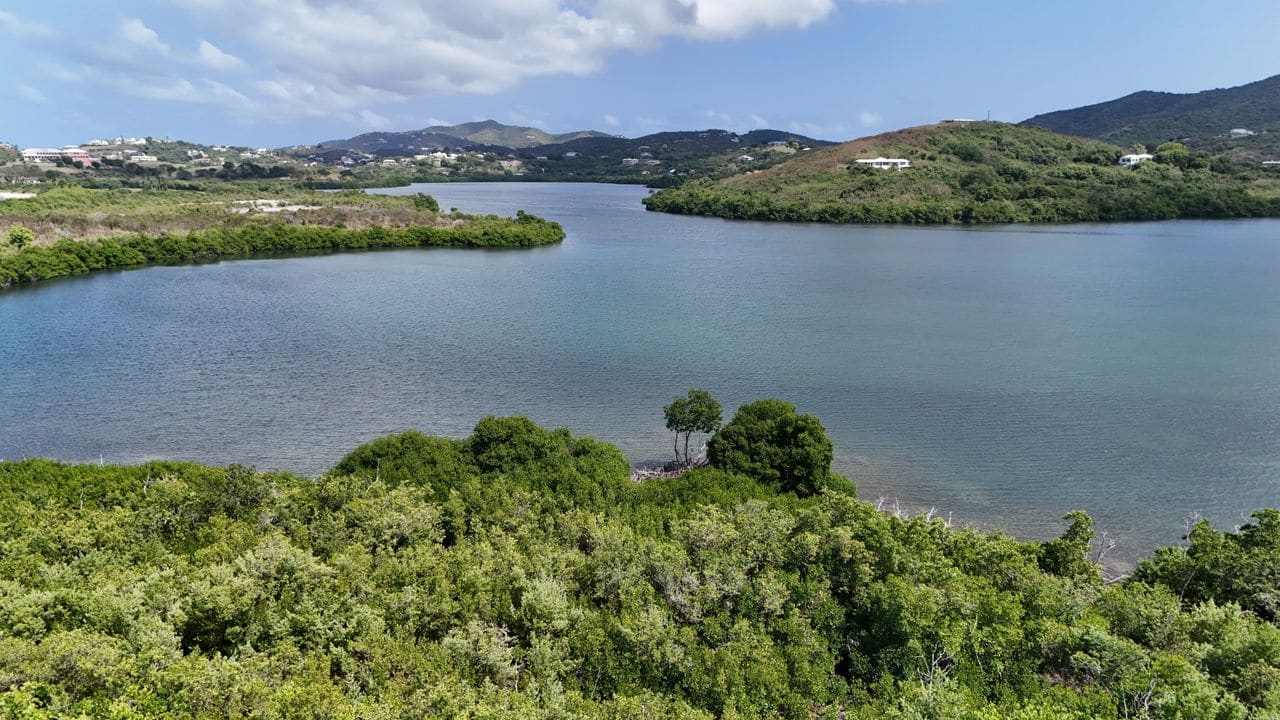
Steps to verify water access before buying
- Title search – obtain the latest title extract and look for any easements.
- Physical inspection – walk the route, test boat access, and note tidal constraints.
- Legal review – have a local lawyer assess the validity of any recorded or claimed rights.
- Survey – commission a marine surveyor to map the corridor and identify maintenance needs.
- Negotiation – if gaps exist, negotiate a new easement and ensure it is registered.
When can a water easement be lost?
An easement may be lost if it is not used for the statutory period, if the dominant (benefited) land is sold without the easement, or if the easement is expressly released by the parties. Courts may also extinguish an easement if it becomes obsolete, for example if the waterway silted up permanently and cannot be used.

Where to find further information
Local land registries, maritime authorities and coastal-law practitioners provide guidance on the specific procedures in each jurisdiction. ISLAND.LY’s listings often include notes on existing access rights, but you should always obtain independent professional advice before relying on them.

This article is general information, not legal, tax or financial advice. Island ownership, taxation and planning rules differ by jurisdiction, so verify every point with a qualified local lawyer, notary, surveyor or tax adviser before you commit.