
You can build on an island with no road, but the process relies on water-borne or air-borne logistics rather than conventional truck delivery. In practice this means arranging barges, landing craft or helicopters to move every piece of equipment, material and workforce to the site.
The consequence for you is that transport method becomes the primary cost driver and influences the build sequence, storage capacity and even the architectural footprint. Under-estimating these factors often leads to delays, overruns or the need to redesign parts of the project.
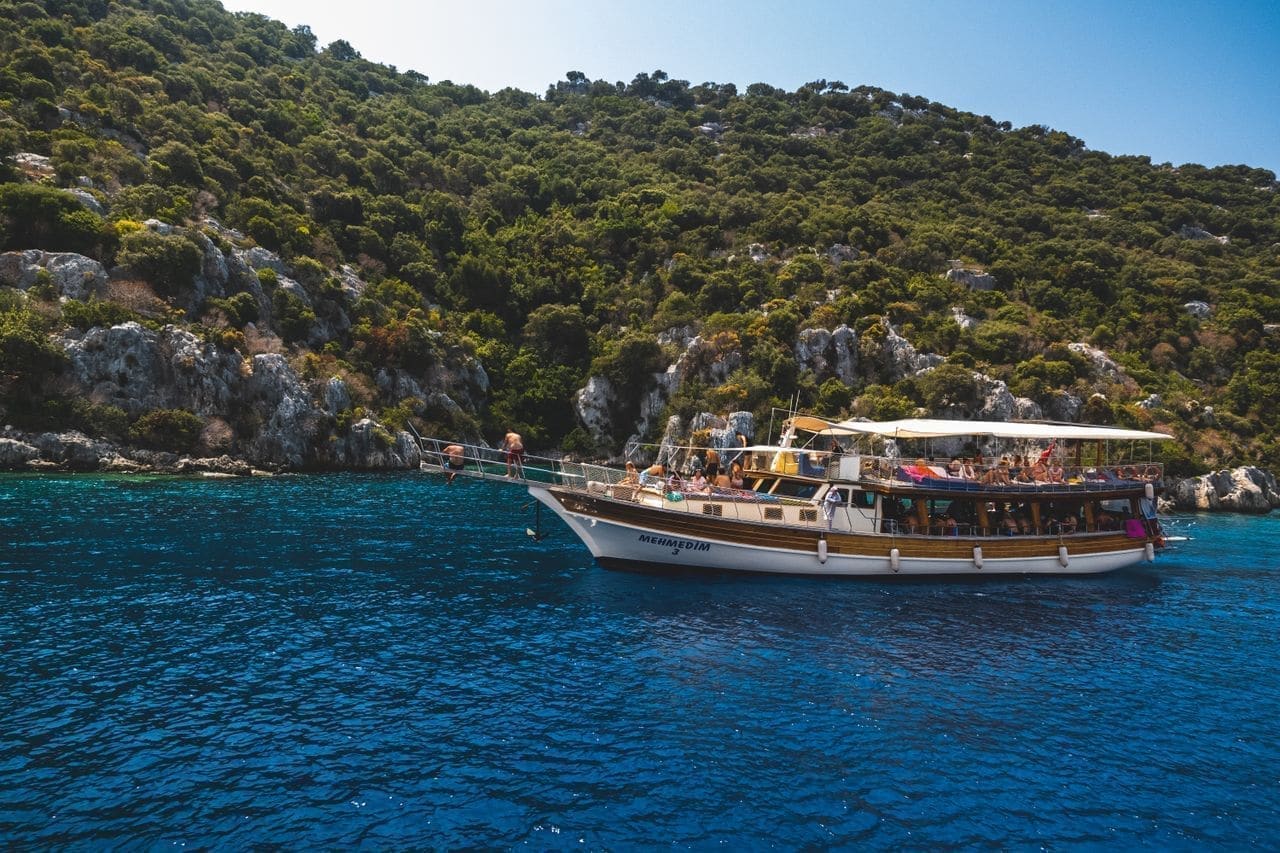
Access methods for roadless islands
When a shoreline lacks a pier, the first step is to create a temporary or permanent landing point. Small landing craft can beach on gentle slopes, while larger barges require a surveyed berth and often a dredged channel. Helicopter lifts are viable for high-value or time-critical items, but payload limits mean they are used for prefabricated modules, medical supplies or specialised equipment.
Each method has trade-offs. Barges handle bulk items such as sand, cement and steel at lower cost per tonne, but they depend on tide, weather and sea state. Landing craft are more flexible in shallow water but may need a temporary jetty built first. Helicopters bypass sea conditions entirely but incur higher per-flight fees and strict weight restrictions.
Getting materials to the island
Logistics planning begins with a detailed material manifest. Items are grouped by size, weight and urgency. Bulk aggregates are typically shipped in bulk bags or loose on deck and off-loaded via crane. Pre-cut timber, steel frames and modular wall panels are prefabricated on the mainland to minimise on-site labour.
Staging areas on a nearby mainland port allow you to consolidate shipments, conduct quality checks and store excess material. From there, a scheduled barge run delivers a predictable volume each week, smoothing the construction rhythm. For islands with limited dock space, a floating platform can serve as a temporary off-load zone, but it adds set-up cost and requires regular inspection.
Helicopter deliveries are best reserved for items that cannot wait for a barge, such as waterproofing membranes for a roof that must be installed before rain season, or critical medical kits for the crew. Because each flight carries a limited load, you should calculate the total number of flights early and factor them into the overall timeline.
Design adaptations for remote builds
Designers often simplify structural systems to suit the logistics reality. For example, using a post-and-beam timber frame reduces the number of large steel beams that would need heavy-lift transport. Prefabricated wall panels that lock together on site cut down on on-site carpentry time and waste.
Foundations may shift from deep piles to shallow spread footings if the island’s geology permits, because deep drilling equipment is costly to bring in and operate. Roof designs with large, unobstructed spans avoid the need for interior support columns, which would otherwise require additional material handling.
Water and power infrastructure is usually self-contained. Desalination units, solar arrays and battery storage are sized to the expected load and delivered in modular crates that fit standard barge pallets. Waste management systems are planned to minimise the frequency of removal trips, using composting toilets or sealed holding tanks that can be off-loaded when a barge is scheduled anyway.
Cost drivers and budgeting tips
| Transport mode | Typical payload per trip | Cost influence | Weather sensitivity |
|---|---|---|---|
| Barge (large) | Up to 2,000 tonnes | Lower unit cost, high set-up cost for berth | Moderate – tides and moderate seas |
| Landing craft | 200–500 tonnes | Flexible, moderate per-tonne cost | High – requires calm surf and shallow water |
| Helicopter | 2–5 tonnes per flight | Highest per-tonne cost, low set-up cost | Low – can operate in many conditions |
The table shows why most bulk items travel by barge while specialised components use helicopters. Because each island differs in shoreline geometry, water depth and prevailing winds, the exact cost balance varies and must be verified with local marine engineers.
Budgeting tips include: allocate a contingency of at least a small share of the transport budget, schedule deliveries around the dry season to avoid storm-related delays, and negotiate a fixed-price charter for barges when possible to lock in rates.
Permitting, timelines and local coordination
Before any vessel approaches, you need clearance from the relevant maritime authority and, where applicable, an environmental impact assessment. Some jurisdictions require a concession or lease of the foreshore before constructing a jetty or landing platform.
Permits often specify maximum draft, noise limits for helicopters and waste-removal frequencies. Engaging a local surveyor early helps map the shoreline, identify coral or protected zones, and avoid costly redesigns.
A realistic timeline assumes: 1-2 months for permit acquisition, 1 month for temporary jetty construction, 3-6 months for material delivery and staged build, and an additional buffer for weather-related pauses. The exact schedule varies by island and must be confirmed with local authorities and contractors.
What to do next
- Identify the nearest mainland port with suitable handling facilities.
- Commission a marine survey to confirm water depth, tidal range and landing suitability.
- Prepare a detailed material manifest and separate items by transport mode.
- Obtain the necessary maritime and environmental permits.
- Engage a logistics provider experienced in island construction to draft a phased delivery plan.
Frequently asked questions
How many trips does a typical barge need for a 10-room villa?
It depends on the total weight of structural steel, concrete and finishes, but a single large barge can often deliver the bulk of materials in 2-3 trips if scheduled efficiently.
Can I use a small private boat instead of a barge?
Small boats are useful for light, high-value items, but they lack the capacity for bulk aggregates and may require multiple trips, increasing overall cost.
Are helicopters allowed on all islands?
Helicopter use is subject to local airspace regulations, noise restrictions and landing-site suitability. You must obtain clearance from the civil aviation authority of the jurisdiction.
What happens if a storm damages the temporary jetty?
Most contracts include a clause for emergency repairs. You should have a contingency fund and a pre-arranged repair crew to minimise downtime.
This article is general information, not legal, tax or financial advice. Island ownership, taxation and planning rules differ by jurisdiction, so verify every point with a qualified local lawyer, notary, surveyor or tax adviser before you commit.